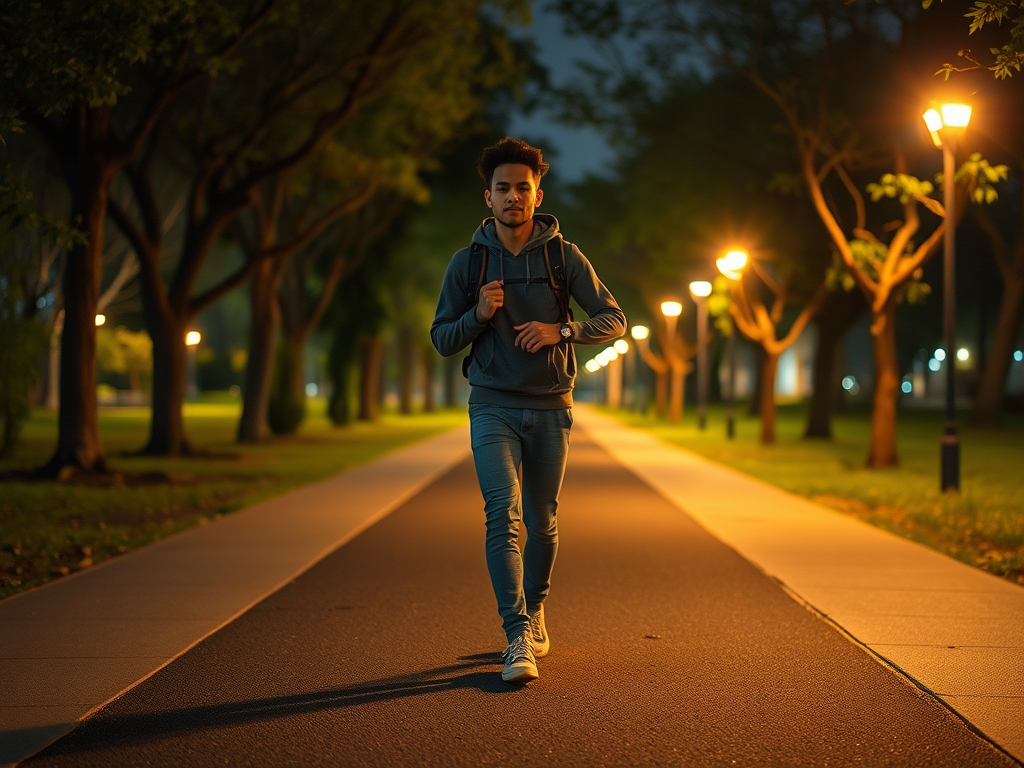
How to Walk Safely at Night: The Complete Guide
Introduction
Night walking can be peaceful, cooler, and easier to fit into a busy schedule—but it also introduces unique safety challenges. This in‑depth guide covers everything you need to know to stay visible, aware, and confident after dark.
—
1. Plan Your Route in Advance
– Stick to well‑lit streets. Choose roads with functioning streetlights and steady foot traffic.
– Use familiar paths. Night is not the time to test a brand‑new shortcut.
– Share your plan. Tell a friend or family member where you’re going and when you expect to be back. Consider using a location‑sharing app.
2. Make Yourself Visible
– Reflective gear: A reflective vest, ankle bands, or a sash dramatically increases visibility to drivers.
– Lights: Clip‑on LED lights or a small headlamp help you see uneven pavement and signal your presence from a distance.
– Bright colors: Even in daylight, neon or white clothing stands out better than dark shades.
3. Choose the Right Gear
| Gear | Why It Matters | Recommended Features |
| Shoes | Proper traction prevents slips on wet or uneven sidewalks. | Non‑slip outsole, supportive midsole |
| Layers | Temperatures drop quickly at night. | Moisture‑wicking base, lightweight jacket |
| Phone Holder | Keeps hands free for balance and signaling. | Arm‑band or waist‑belt |
4. Stay Aware of Your Surroundings
– Limit headphone volume. Keep it low enough to hear traffic, cyclists, or other pedestrians.
– Look over your shoulder periodically. A quick glance every block helps you spot approaching cars or people.
– Avoid distractions. Save texting or checking notifications for safe, well‑lit stops.
5. Use Technology Wisely
– Safety apps: Apps like Road iD, bSafe, or Strava Beacon let chosen contacts follow your route in real time.
– Flashlight feature: Most phones have a built‑in flashlight—keep it handy for unlit stretches.
– Smartwatch SOS: Many wearables can send an emergency alert if you hold a button for 3–5 seconds.
6. Walk With Confidence
– Posture: Head up, shoulders back, purposeful stride. Confident body language can deter potential trouble.
– Buddy system: If possible, walk with a friend, family member, or dog.
– Trust your instincts: If a street feels unsafe, change direction or move to a busier area.
7. Defend Against the Elements
– Cold: Wear gloves and a beanie; 30–40% of body heat escapes from the head.
– Heat: In warmer climates, night may still be humid—hydrate before you leave and carry a small bottle.
– Rain: Pack a compact, reflective rain jacket to stay dry and visible.
8. Traffic and Road Safety
– Face oncoming traffic. This gives you a split‑second to react if a driver swerves.
– Use sidewalks. If none exist, keep as far left as possible and single‑file when with a partner.
– Cross at intersections. Jaywalking is riskier at night when drivers have reduced visibility.
9. Personal Safety Tools
– Whistle or personal alarm: A 120‑decibel alarm can startle threats and attract help.
– Pepper spray (where legal): Carry in an easily accessible pocket, never buried deep in a bag.
– ID and emergency card: Include your name, emergency contact, and any medical conditions.
10. Cool‑Down and Check‑In
– Stretch indoors. Night air can be chilly; do post‑walk stretching inside to prevent muscle tightness.
– Hydrate and refuel. A glass of water and a light snack aid recovery and sleep quality.
– Send the “I’m home” text. Close the loop with whoever is tracking your walk.
—
Key Takeaways
1. Visibility is non‑negotiable—combine reflective gear and lights.
2. Awareness beats technology—stay alert even with safety apps.
3. Preparation (route, gear, weather) ensures a stress‑free night walk.
Ready to step out? Lace up, light up, and enjoy the calm of an evening stroll—safely.
*Disclosure: This article contains affiliate links. If you purchase through them, WalkWise may earn a small commission at no extra cost to you.*
Leave a Reply