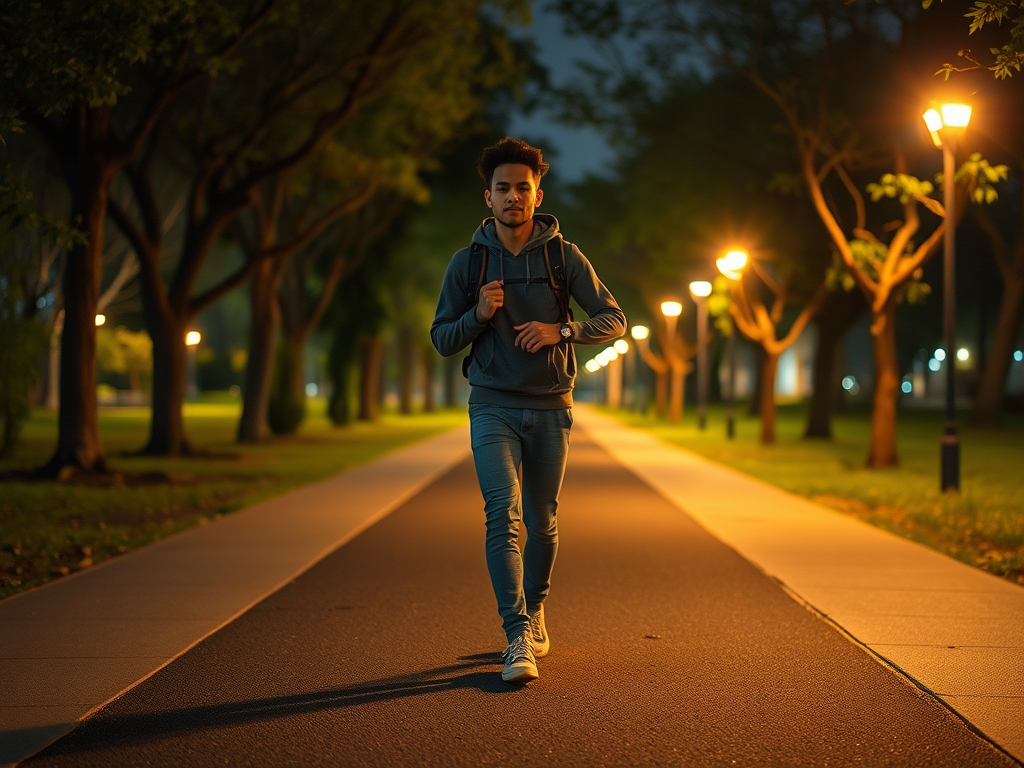
• Your First 30 Days of Walking — A Complete Beginner’s Plan

    Walking is one of the most accessible and effective forms of exercise, and ‘Your First 30 Days of Walking — A Complete Beginner’s Plan’ can help you achieve better health, mood, and longevity. This article provides actionable tips backed by credible research.

    Week 1: Start Moving

    Start your walking journey with manageable 15‑minute walks five days a week. Keep a comfortable pace and pay attention to good posture—head up, shoulders back and core engaged. If 15 minutes feels too long, begin with 10 minutes and add a few minutes each session until you reach 15. Wear supportive shoes and schedule your walks at a consistent time to help you build the habit.

    Week 2: Building Up

    In your second week, increase your walks to 20 minutes per session five days a week. Maintain your comfortable pace for the first 15 minutes, then pick up the pace slightly in the final 5 minutes to challenge yourself. Try incorporating gentle hills or inclines if available, or increase your cadence by swinging your arms. If the longer duration feels hard, alternate between 15‑20 minute sessions until you feel ready to progress.

    Week 3: Stepping Further

    By week three, aim for 25‑minute walks five days per week. Maintain a steady, moderate pace and incorporate a few hills or inclines to build strength and endurance. You can also experiment with short bursts of faster walking followed by easy recovery periods. Vary your routes to keep things interesting—explore a new neighborhood, park, or trail—and pay attention to how your body feels as you increase your distance.

    Week 4: Hitting Your Stride

    In week four, aim for 30-minute walks five days per week. Begin with a gentle 5-minute warmup, then settle into a brisk, steady tempo for the remaining 25 minutes. By this stage you should feel comfortable sustaining longer walks; if not, alternate 25- and 30-minute sessions until your body adapts.

    To increase the challenge, incorporate high-intensity intervals—for example, 1-minute bursts of fast walking followed by 2 minutes of easy walking—or tackle longer hills to build endurance. Always listen to your body: if you experience soreness or fatigue, take rest days or revert to a previous week’s schedule. Consistency is more important than speed.

    Tracking Your Progress

    Use a pedometer or smartphone app to track your daily steps and walking time. Apps like Strava, MapMyWalk, or Apple Health can log distance, time, and pace, while simple pedometers count steps. Keep a walking journal to note routes, conditions, and how you feel after each walk—this helps you see progress and stay motivated. Set small, weekly goals such as increasing total weekly minutes or steps, and celebrate milestones along the

    /heading.
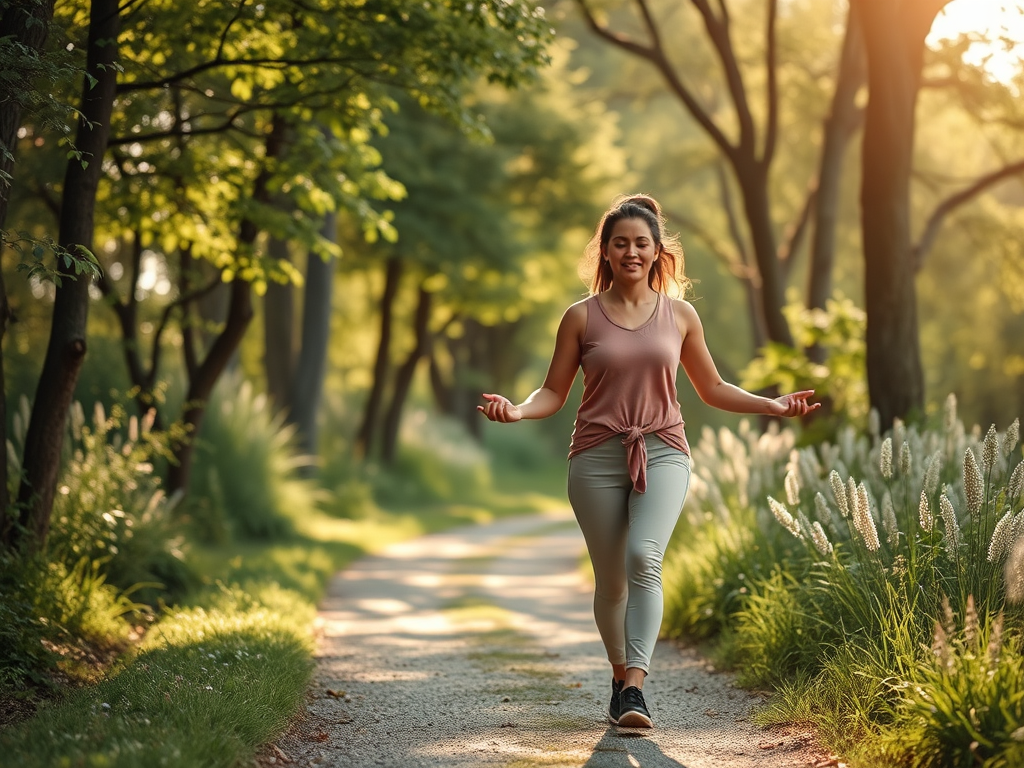
  • Mindful Walking: Turning Your Steps Into a Meditation

    Walking is one of the most accessible and effective forms of exercise, and ‘Mindful Walking: Turning Your Steps Into a Meditation’ can help you achieve better health, mood, and longevity. This article provides actionable tips backed by credible research.

    The Benefits of Mindful Walking

    Mindful walking is a form of walking meditation. Studies show that taking even short mindful walks improves mood, reduces stress and depressive symptoms, and enhances memory and concentration. In an eight‑week study where participants meditated 13 minutes daily, researchers observed improvements in emotional regulation and cognitive performance. By focusing on your breath, body sensations, and surroundings while you walk, you harness the benefits of both physical activity and meditation.

    • Stress & Anxiety Relief: Mindful walking can lower cortisol levels and reduce stress and anxiety.
    • Improved Focus & Emotional Regulation: Paying attention to each step trains your mind to return to the present moment.
    • Boosted Creativity: Gentle walking has been linked to increased creative thinking and problem-solving.
    • Physical Wellness: Even a slow, mindful pace contributes to circulation, balance, and flexibility.

    How to Practice Mindful Walking

    • Find a safe, quiet path where you can walk undisturbed.
    • Begin by standing still, taking a few deep breaths to centre yourself.
    • Walk at a natural pace and synchronize your breathing with your steps.
    • Notice the sensations of your feet touching the ground and the movement of your legs.
    • Pay attention to sights, sounds, and smells around you, but let them come and go without judgment.
    • When your mind wanders to thoughts or worries, gently bring your focus back to the rhythm of your steps and breath.
    • Continue for 10–20 minutes, finishing with a few deep breaths and gratitude for the experience.

    Practical Tips for

    • Start with 5–10 minutes and increase gradually.
    • Walk slowly and deliberately rather than rushing.
    • Leave phones and earbuds behind to minimize distraction.
    • Repeat a mantra or phrase to anchor your focus.
    • End with a few moments of gratitude or journaling.

    Safety & Comfort Tips

    • Wear comfortable walking shoes and moisture-wicking socks.
    • Stay aware of your surroundings, especially on uneven terrain or busy roads.
    • Hydrate before and after your walk; carry a water bottle for longer routes.
    • Use reflective gear or bright clothing if walking at dusk or night.
    • Dress in layers and apply sunscreen as needed.
    • Stay aware of your surroundings, especially on uneven terrain or busy streets, and keep your eyes up rather than on your phone.
    • Use reflective clothing, lights, or a safety vest if walking before sunrise or after sunset so drivers can see you.
    • Dress in layers suitable for the weather, and bring a hat, gloves, or sunscreen as needed.

    Recommended Gear for Mindful Walking

    • Comfortable walking shoes: choose supportive, cushioned shoes like Adidas Ultraboost 1.0 or New Balance 840 for maximum comfort (available on Amazon).
    • Mindfulness apps: use guided walking meditations from apps like Headspace or Calm to help you stay present (available via app stores; optional in-app purchases).
    • Accessories: carry a reusable water bottle with strap, wear a reflective vest or LED armband for safety at dusk or night, and consider a lightweight fitness tracker like Fitbit or Garmin to monitor steps and mindfulness reminders (many options available on Amazon).
    • Earphones: if you prefer ambient sounds, use open-ear bone conduction headphones like Shokz OpenRun to stay aware of your surroundings while listening to music or guided sessions.
    • A reflective vest, LED armband, or clip-on lights for visibility in low-light conditions.
    • A hydration belt or handheld water bottle with strap to keep your hands free.
    • A pedometer or fitness tracker to count steps and remind you to pause for mindfulness.
    • Mindfulness or meditation app (e.g., Insight Timer, Headspace) or wireless earbuds for guided audio.
    • Comfortable, weather-appropriate clothing, including layers for cool mornings and breathable fabrics for warm days.
    • Lightweight, supportive walking shoes with cushioning and arch support keep your feet comfortable and reduce joint stress.
  • 5 Common Walking Mistakes and How to Fix Them

    Walking is one of the most accessible and effective forms of exercise, and ‘5 Common Walking Mistakes and How to Fix Them’ can help you achieve better health, mood, and longevity. This article provides actionable tips backed by credible research.

    Why It Matters

    Research shows that walking regularly improves cardiovascular health, supports mental well-being, and can extend lifespan. These benefits are achievable without expensive equipment or gym memberships.

    How to Apply It

    Start by integrating small, consistent changes related to ‘5 Common Walking Mistakes and How to Fix Them’ into your routine. Use a step counter, plan your walks, and make it part of your daily schedule.

    Extra Tips

    Stay hydrated, wear supportive footwear, and choose routes that inspire you. Consider walking with a friend or listening to podcasts for added enjoyment.

    Start applying these tips today, track your progress, and join the conversation online with #WalkWiseChallenge.

  • Walking for Better Sleep — The Link Between Steps and Rest

    Research shows that walking regularly improves cardiovascular health, supports mental well-being, and can extend lifespan. These benefits are achievable without expensive equipment or gym memberships.

    Start by integrating small, consistent changes related to ‘Walking for Better Sleep — The Link Between Steps and Rest’ into your routine. Use a step counter, plan your walks, and make it part of your daily schedule.

    Stay hydrated, wear supportive footwear, and choose routes that inspire you. Consider walking with a friend or listening to podcasts for added enjoyment.

    Start appl

    consistent sleep schedule, a cool and dark bedroom, and mindful pre-bed rituals work hand-in-hand with evening walks. Aim for regular bed and wake times, avoid caffeine and large meals late in the day, and dim lights as you wind down. Turn off screens at least 30 minutes before bed and try journaling or deep breathing to clear your mind. Keep your bedroom around 65 °F (18 °C) and invest in a comfortable mattress and pillows to maximise restorative rest.ying these tips today, track your progress, and join the conversation online with #WalkWiseChallenge.

  • Family Walks: How to Get Kids Excited to Join

    Walking is one of the most accessible and effective forms of exercise, and ‘Family Walks: How to Get Kids Excited to Join’ can help you achieve better health, mood, and longevity. This article provides actionable tips backed by credible research.

    Research shows that walking regularly improves cardiovascular health, supports mental well-being, and can extend lifespan. These benefits are achievable without expensive equipment or gym memberships.

    Start by integrating small, consistent changes related to ‘Family Walks: How to Get Kids Excited to Join’ into your routine. Use a step counter, plan your walks, and make it part of your daily schedule.

    Stay hydrated, wear supportive footwear, and choose routes that inspire you. Consider walking with a friend or listening to podcasts for ad

    Why Family Walks Are Beneficial

    Why Family Walks Are Beneficial

    Making Walks Fun for Kids

    For children, walks should feel like an adventure rather than a chore. Turn your route into a scavenger hunt by asking kids to spot specific items—like a red mailbox, a blooming flower, or a unique rock. You can also play I‑Spy or make up stories about places you pass.

    Let kids help plan the route or choose a destination like a playground, a bakery, or a park. Short‑term incentives—such as a picnic snack halfway through or choosing the next family playlist—keep them motivated. For younger children, bring a stroller or carrier so they can take breaks when needed.

    Planning and Safety Tips

    Comfortable shoes and weather‑appropriate clothing are essential. Opt for lightweight, supportive sneakers and dress in layers so you can adapt to changing temperatures. Bring a water bottle for each family member and pack healthy snacks for longer walks.

    For safety, choose routes with sidewalks or designated walking trails and teach children to stay on the right and look both ways before crossing. Apply sunscreen and wear hats or sunglasses to protect from the sun. If walking after dusk or before sunrise, wear reflective vests or carry small lights.

    Supportive shoes for adults: Adidas Ultraboost 1.0 or Hoka Bondi 8 provide cushioning and support for long walks【173456175352239†L132-L176】.

    Kids’ walking shoes: New Balance Kids 680v6 or Asics Kid’s Contend 8 offer durability and comfort.

    Hydration gear: CamelBak Eddy+ Kids water bottle and Nathan Trail Mix hydration belt make it easy to carry water.

    Carriers and strollers: Ergobaby Omni 360 carrier or Baby Jogger City Mini GT2 stroller allow little ones to ride comfortably.

    Safety accessories: Reflective vests, clip‑on LED lights, and a kid‑friendly pedometer or fitness tracker like the Fitbit Ace 3 encourage kids to track their steps.

    Final Thoughts

    Family walks are a simple but powerful way to promote health, creativity, and connection. By making walks enjoyable, safe, and well‑equipped, you can build a routine that everyone looks forward to. Start with one or two outings per week and gradually make walking a regular family ritual.

  • How to Use Walking to Spark Creativity in Your Work

    ## How Walking Boosts Creativity at Work: A Deep Dive

    ### Introduction
    Stuck on a problem? Research shows that a brisk walk can increase creative output by up to 60%. This guide explains the science behind movement‑driven ideation and gives you practical frameworks to turn steps into breakthrough ideas.

    ### 1. The Science of Movement and the Brain
    – **Increased blood flow:** Walking elevates heart rate, delivering more oxygen and glucose to the brain’s prefrontal cortex—the hub of creative thinking.
    – **Default Mode Network (DMN):** Light aerobic activity activates the DMN, the brain’s “daydream” state where novel connections form.
    – **Neurochemicals:** Endorphins and dopamine released during walking improve mood and reduce mental blocks.

    ### 2. Designing Your Creative Walk Routine
    | Scenario | Duration | Goal |
    |———-|———-|——|
    | **Idea Warm‑Up** | 5‑10 min | Kick‑start brainstorming before meetings |
    | **Midday Reset** | 15‑20 min | Overcome afternoon slump and spark fresh angles |
    | **Deep Dive** | 30‑45 min | Tackle complex problems or outline big projects |

    ### 3. Tools to Capture Ideas On the Go
    1. **Voice Memos:** Record thoughts without breaking stride.
    2. **Pocket Notebook:** Jot quick sketches or keywords.
    3. **Wearable dictation apps:** Otter.ai or Google Keep transcribe in real time.

    ### 4. Route Selection for Maximum Inspiration
    – **Nature paths:** Green spaces boost mood and divergent thinking.
    – **Architectural loops:** Cityscapes stimulate pattern recognition.
    – **Art walks:** Murals and sculptures can trigger associative ideas.

    ### 5. Walking Meeting Framework
    1. **Set an agenda:** One core question to solve.
    2. **Walk & talk:** Keep pace moderate so speech is comfortable.
    3. **Pause & capture:** Every 10 minutes, stop to record insights.
    4. **Action recap:** Summarize next steps before heading back inside.

    ### 6. Combining Walking with Mindfulness
    – **Box breathing:** Inhale 4 steps, hold 4, exhale 4, hold 4.
    – **Sensory scan:** Notice five sights, four sounds, three scents—opens awareness for novel associations.

    ### 7. Overcoming Common Obstacles
    | Obstacle | Fix |
    |———-|—–|
    | **Bad weather** | Indoor laps, treadmill desk, or mall walking |
    | **Time pressure** | 5‑10‑minute micro‑walks between tasks |
    | **Self‑consciousness** | Use headphones; people assume you’re on a call |

    ### 8. Tracking Progress
    – **Creativity log:** Date, distance, ideas generated, idea quality (1‑5 scale).
    – **Step counter integration:** Sync with apps like Notion to correlate steps and idea output.

    ### 9. Case Study: 10,000 Steps to a Product Launch
    > A marketing team at a tech startup scheduled two 20‑minute walks daily for one month. The result: a 30% increase in campaign concepts and a 15% faster approval cycle.

    ### 10. Key Takeaways
    1. Even 5 minutes of walking can unlock fresh perspectives.
    2. Capture ideas immediately—memory fades faster than you think.
    3. Consistency beats intensity: daily movement keeps creativity primed.

    Ready to turn steps into sparks? Lace up, hit your route, and watch the ideas flow.

    *Affiliate disclosure: WalkWise may earn commissions on products mentioned.*

    Recommended Gear to Enhance Your Creative Walks

    • Supportive walking shoes such as Adidas Ultraboost 1.0 or Hoka Bondi 8 keep your feet comfortable and reduce fatigue.
    • A portable voice recorder like the Sony ICD-PX470 (or use your smartphone) lets you capture sudden ideas hands-free.
    • Carry a pocket notebook like the Moleskine Cahier or Rite in the Rain to jot down sketches and mind maps.
    • Hydration belt such as Nathan Trail Mix keeps water and snacks handy during longer walks.
    • A fitness tracker like Fitbit Charge 6 helps you track steps, heart rate, and progress toward creative goals.
    • Bone-conduction headphones like Shokz OpenRun allow you to listen to podcasts or inspiration playlists while staying aware of your surroundings.
    • Reflective gear like a safety vest or LED armband keeps you visible during early morning or evening walks.
    • Supportive walking shoes such as Adidas Ultraboost 1.0 or Hoka Bondi 8 keep your feet comfortable and reduce fatigue.
    • A portable voice recorder like the Sony ICD-PX470 (or use your smartphone) lets you capture sudden ideas hands-free.
    • Carry a pocket notebook like the Moleskine Cahier or Rite in the Rain to jot down sketches and mind maps.
    • Hydration belt such as Nathan Trail Mix keeps water and snacks handy during longer walks.
    • A fitness tracker like Fitbit Charge 6 helps you track steps, heart rate, and progress toward creative goals.
    • Bone-conduction headphones like Shokz OpenRun allow you to listen to podcasts or inspiration playlists while staying aware of your surroundings.
    • Reflective gear like a safety vest or LED armband keeps you visible during early morning or evening walks.

  • Stretching Routine Every Walker Should Know

    Stretching Routine Every Walker Should Know

    Introduction

    Proper stretching keeps muscles flexible, reduces injury risk, and improves walking efficiency. This guide presents a science‑based routine you can complete in 10 minutes before or after your walk.

    Why Stretch?

    • Injury Prevention: Flexible muscles absorb impact better, lowering strain on joints.
    • Improved Stride Length: Looser hip flexors allow a longer, more powerful step.
    • Reduced Post‑Walk Soreness: Gentle stretching aids circulation and recovery.

    Warm‑Up vs. Cool‑Down

    Use dynamic stretches before walking to warm muscles, and static stretches afterward to lengthen tissue.

    Dynamic Pre‑Walk Routine (5 Minutes)

    1. Leg Swings: 10 reps each leg, front‑to‑back.
    2. Hip Circles: 10 reps clockwise & counterclockwise.
    3. Ankle Rolls: 10 reps each direction per ankle.
    4. High Knees March: 30 seconds, pumping arms.
    5. Heel‑to‑Toe Walk: 20 steps to activate calves and shins.

    Static Post‑Walk Routine (5 Minutes)

    Stretch Target Muscle Hold
    Calf Wall Stretch Gastrocnemius & Soleus 30 sec each side
    Standing Quad Stretch Quadriceps 30 sec each side
    Hamstring Toe Reach Hamstrings 30 sec
    Figure‑4 Glute Stretch Glutes & Piriformis 30 sec each side
    Chest Opener Pectorals & Front Shoulders 30 sec

    Form Tips

    • Breathe deeply—exhale as you move deeper into the stretch.
    • Never bounce; use slow, controlled movements.
    • Stop if you feel sharp pain; mild tension is normal.

    Progressions

    • Add a resistance band to increase intensity.
    • Hold static stretches up to 60 seconds as flexibility improves.
    • Incorporate foam rolling once or twice per week.

    Key Takeaways

    • Combine dynamic warm‑ups with static cool‑downs for best results.
    • Consistency (daily or every walk) beats occasional long sessions.
    • Proper stretching enhances comfort, speed, and longevity as a walker.

    Affiliate disclosure: WalkWise may earn a commission on recommended gear links.

  • The Benefits of Uphill Walking and How to Do It Right

    The Benefits of Uphill Walking and How to Do It Right

    Introduction

    Uphill walking (also called incline walking) is a simple way to turn an ordinary stroll into a powerful cardio and strength workout. This guide explains the science-backed benefits and shows you exactly how to add hills safely.

    1. Why Incline Walking Works

    • Higher Calorie Burn: A 10% grade can double energy expenditure compared to flat ground.
    • Glute & Hamstring Activation: Steeper angles recruit posterior-chain muscles often missed during flat walking.
    • Heart‑Rate Boost: Elevation raises intensity into the moderate‑to‑vigorous zone without sprinting.
    • Bone Density: The added load stimulates bone growth in hips and spine.

    2. Getting Started

    1. Warm‑Up: 5 minutes on level ground to raise core temperature.
    2. Find a Mild Grade: Start with 3‑5% incline (treadmill) or gentle neighborhood hill.
    3. Duration: 5‑minute hill segments alternating with 2‑minute flat recovery.
    4. Frequency: 2 sessions per week, adding one session every 2 weeks.

    3. Technique Tips

    • Keep your chest tall and lean forward slightly from the ankles, not the waist.
    • Shorten your stride and increase cadence to reduce joint stress.
    • Drive arms back to help propel your body upward.
    • Focus on landing mid‑foot to maintain traction.

    4. Sample 4‑Week Hill Plan

    Week Sessions Incline / Hill Total Time
    1 2 5% grade 20 min
    2 2 6% grade 25 min
    3 3 7% grade 25 min
    4 3 8% grade 30 min

    5. Common Mistakes to Avoid

    • Overstriding: Causes heel striking and knee strain.
    • Holding the Treadmill Rails: Reduces calorie burn by up to 25%.
    • Skipping the Warm‑Down: Always walk 5 minutes on flat ground to lower heart rate gradually.

    6. Progressions & Variations

    • Hill Intervals: 1‑minute hard uphill / 1‑minute easy downhill repeated 8‑10 times.
    • Weighted Pack: Add a light backpack (5‑10 lb) for extra resistance.
    • Backward Uphill Walking: Engages quads and improves knee stability—start slowly.

    7. Safety & Gear

    • Choose shoes with aggressive tread for outdoor trails.
    • Use trekking poles on steep or uneven terrain.
    • Hydrate: Uphill walking increases sweat rate; aim for 500 ml per 30 minutes.
    • If on a treadmill, keep speed moderate (2.5–3.5 mph) as incline rises.

    8. Tracking Progress

    Record incline, distance, and perceived exertion (1–10 scale). Aim to lower perceived effort at the same incline before increasing grade.

    Key Takeaways

    • Incline walking torches calories and strengthens posterior muscles.
    • Start small—3–5% grade—and progress gradually.
    • Maintain upright posture, short strides, and controlled breathing.

    Affiliate disclosure: WalkWise may earn a commission on recommended gear links.

  • Walking Challenges That Keep You Motivated All Year

    Walking Challenges to Keep You Motivated All Year

    Introduction

    Even the most dedicated walkers hit motivational plateaus. Structured challenges inject variety, accountability, and measurable progress into your routine. This guide outlines 12 month‑by‑month walking challenges, plus tips to track success and stay engaged.


    1. January — New‑Year Step‑Up Challenge

    • Goal: Add 500 steps per day each week.
    • How: Start with your current daily average. Each Monday, raise the target by 500 steps.
    • Why it works: Gradual progression prevents burnout and jump‑starts the year.

    2. February — Heart‑Health Streak

    • Goal: Walk at least 20 minutes every day for 28 days.
    • Tip: Use a wall calendar; mark a red heart on each successful day.

    3. March — Mindful Miles

    • Goal: Dedicate 10 of your weekly miles to mindful walking (no phone, focus on breath).
    • Benefit: Reduces stress as spring workloads ramp up.

    4. April — 5K Prep

    • Goal: Train for a charity 5K walk.
    • Plan: 3 walks/week—one long, one speed, one recovery.
    • Bonus: Raise funds and walk for a cause.

    5. May — Photo‑Walk Bingo

    SquareExample
    Flower in bloom🌸
    Dog on a leash🐕
    Street art🎨
    Sunset🌅
    • Goal: Complete a bingo row each week by photographing items on your walks.

    6. June — Sunrise Series

    • Goal: Five sunrise walks before 6 AM.
    • Why: Early light boosts serotonin and sets a positive tone for hot summer days.

    7. July — Hydration + Heat Safety

    • Goal: Pair every mile with 8 oz of water.
    • Tracking: Use a reusable bottle marked in ounces.

    8. August — Hill Climb Month

    • Goal: Accumulate 1,000 ft (305 m) of elevation each week.
    • Tip: Use a fitness app with elevation tracking.

    9. September — Back‑to‑School Buddy Walks

    • Goal: Schedule two walks per week with a friend, child, or coworker.
    • Benefit: Social accountability increases adherence by ~65%.

    10. October — Step‑Tober 100K

    • Goal: 100,000 steps in 31 days (≈ 3,225 steps/day).
    • Motivation: Share progress on social media with #StepTober.

    11. November — Gratitude Miles

    • Goal: List one thing you’re grateful for every mile.
    • Reflection: Record them in a journal after each walk.

    12. December — Holiday Lights Tour

    • Goal: Explore five new neighborhoods decorated for the holidays.
    • Family‑friendly: Turn it into a scavenger hunt for kids.

    Tracking & Accountability Tools

    1. Apps: Strava, MapMyWalk, and Pacer let you create monthly challenges and leaderboards.
    2. Wearables: Smartwatches provide badges for streaks and milestones.
    3. Printable tracker: Download our free PDF calendar (coming soon) to color in each completed day.

    Tips to Stay Engaged All Year

    • Set micro‑rewards: New socks or a playlist after each monthly challenge.
    • Join a community: Online forums or local walking clubs.
    • Mix terrains: Alternate between parks, neighborhoods, and trails to keep scenery fresh.

    Key Takeaways

    1. Rotating monthly challenges prevents boredom and plateaus.
    2. Social and visual tracking boosts adherence.
    3. Tailor goals to the season—heat, holidays, and daylight hours all matter.

    Ready to commit? Pick your next challenge, lace up, and let’s walk into a year of consistent movement!

    Affiliate disclosure: WalkWise may earn a commission on recommended gear links.

  • How to Walk Safely at Night

    How to Walk Safely at Night: The Complete Guide

    Introduction
    Night walking can be peaceful, cooler, and easier to fit into a busy schedule—but it also introduces unique safety challenges. This in‑depth guide covers everything you need to know to stay visible, aware, and confident after dark.

    1. Plan Your Route in Advance
    – Stick to well‑lit streets. Choose roads with functioning streetlights and steady foot traffic.
    – Use familiar paths. Night is not the time to test a brand‑new shortcut.
    – Share your plan. Tell a friend or family member where you’re going and when you expect to be back. Consider using a location‑sharing app.

    2. Make Yourself Visible
    – Reflective gear: A reflective vest, ankle bands, or a sash dramatically increases visibility to drivers.
    – Lights: Clip‑on LED lights or a small headlamp help you see uneven pavement and signal your presence from a distance.
    – Bright colors: Even in daylight, neon or white clothing stands out better than dark shades.

    3. Choose the Right Gear
    | Gear | Why It Matters | Recommended Features |

    | Shoes | Proper traction prevents slips on wet or uneven sidewalks. | Non‑slip outsole, supportive midsole |
    | Layers | Temperatures drop quickly at night. | Moisture‑wicking base, lightweight jacket |
    | Phone Holder | Keeps hands free for balance and signaling. | Arm‑band or waist‑belt |

    4. Stay Aware of Your Surroundings
    – Limit headphone volume. Keep it low enough to hear traffic, cyclists, or other pedestrians.
    – Look over your shoulder periodically. A quick glance every block helps you spot approaching cars or people.
    – Avoid distractions. Save texting or checking notifications for safe, well‑lit stops.

    5. Use Technology Wisely
    – Safety apps: Apps like Road iD, bSafe, or Strava Beacon let chosen contacts follow your route in real time.
    – Flashlight feature: Most phones have a built‑in flashlight—keep it handy for unlit stretches.
    – Smartwatch SOS: Many wearables can send an emergency alert if you hold a button for 3–5 seconds.

    6. Walk With Confidence
    – Posture: Head up, shoulders back, purposeful stride. Confident body language can deter potential trouble.
    – Buddy system: If possible, walk with a friend, family member, or dog.
    – Trust your instincts: If a street feels unsafe, change direction or move to a busier area.

    7. Defend Against the Elements
    – Cold: Wear gloves and a beanie; 30–40% of body heat escapes from the head.
    – Heat: In warmer climates, night may still be humid—hydrate before you leave and carry a small bottle.
    – Rain: Pack a compact, reflective rain jacket to stay dry and visible.

    8. Traffic and Road Safety
    – Face oncoming traffic. This gives you a split‑second to react if a driver swerves.
    – Use sidewalks. If none exist, keep as far left as possible and single‑file when with a partner.
    – Cross at intersections. Jaywalking is riskier at night when drivers have reduced visibility.

    9. Personal Safety Tools
    – Whistle or personal alarm: A 120‑decibel alarm can startle threats and attract help.
    – Pepper spray (where legal): Carry in an easily accessible pocket, never buried deep in a bag.
    – ID and emergency card: Include your name, emergency contact, and any medical conditions.

    10. Cool‑Down and Check‑In
    – Stretch indoors. Night air can be chilly; do post‑walk stretching inside to prevent muscle tightness.
    – Hydrate and refuel. A glass of water and a light snack aid recovery and sleep quality.
    – Send the “I’m home” text. Close the loop with whoever is tracking your walk.

    Key Takeaways
    1. Visibility is non‑negotiable—combine reflective gear and lights.
    2. Awareness beats technology—stay alert even with safety apps.
    3. Preparation (route, gear, weather) ensures a stress‑free night walk.

    Ready to step out? Lace up, light up, and enjoy the calm of an evening stroll—safely.

    *Disclosure: This article contains affiliate links. If you purchase through them, WalkWise may earn a small commission at no extra cost to you.*